Curbing Financial Crime in Cryptocurrency with Intelligent Digital Solutions 

The integration of cryptocurrencies into the global financial ecosystem represents both unprecedented opportunity and significant risk. As digital asset adoption accelerates across the global financial system, criminal networks have developed increasingly complex methods to exploit vulnerabilities in cryptocurrency platforms and transactions.

Financial institutions now face a critical inflection point—adapt security frameworks to address these emerging threats or risk substantial financial and reputational damage.

Recent industry data underscores the urgency—funds stolen by hacking cryptocurrency platforms surged 21% from a year ago to $2.2 billion in 2024, according to blockchain analysis firm Chainalysis.

This marks the fourth consecutive year that hacking amounts have exceeded $1 billion, with incidents rising to 303 from 282 in 2023. Beyond these direct losses, cryptocurrency-related crimes erode market confidence and hinder institutional adoption of these transformative technologies.

The Cryptocurrency Security and Financial Crime Landscape

Traditional financial crime prevention frameworks often struggle to address cryptocurrency’s unique security challenges, which include—

For banking executives, this creates an urgent strategic imperative—implement cryptocurrency security systems sophisticated enough to match evolving threats while maintaining operational efficiency.

Intelligent Digital Solutions for Combating Crypto-Related Financial Crime

1. Artificial Intelligence and Machine Learning for Fraud Detection

Banks now use specialized AI for blockchain monitoring that can track behavior, spot patterns, and flag suspicious transactions.

These modern tools deploy machine learning capable of processing millions of transactions at once and finding suspicious patterns that regular systems miss. When transactions exhibit abnormal characteristics, these systems immediately trigger appropriate security protocols for manual reviews.

Further, AI solutions continuously adapt and evolve with shifting threats providing a more proactive defense.

At Anaptyss, we have witnessed significant transformations in financial institutions adopting AI and machine learning for compliance and risk management. For example, in Financial Crime Compliance, our proprietary AML solution, ALFA, enabled a 75% reduction in false alerts and enhanced sanctions compliance for a US-based super-regional bank.

2. Behavioral Intelligence and Cross-Chain Analytics

The most significant advancement comes through behavioral intelligence systems that establish individualized baselines for normal activity. This enables precise identification of account compromises while substantially reducing false positives.

Equally important is the evolution of cross-chain analytics. Modern platforms track fund movements across multiple blockchain networks, eliminating the visibility gaps that sophisticated actors previously exploited through “chain-hopping” techniques.

This comprehensive visibility has fundamentally altered the risk calculation for threat actors. What once provided effective obfuscation now creates additional digital evidence that enhances investigative capabilities.

3. Proactive Protection Through Advanced Technologies

Beyond reactive monitoring, today’s security architecture incorporates multiple proactive elements.

For instance, advanced natural language processing (NLP) algorithms can analyze communications across forums, social media, and messaging platforms to identify potential fraud schemes before implementation.

Similarly, blockchain technology itself provides security advantages through immutable audit trails, transparent validation, and automated compliance via smart contracts.

4. Advanced Biometrics to Strengthen the Authentication Layer

As cryptocurrency services mature, sophisticated authentication systems have become an essential component of comprehensive security architecture. These includes—

These layered authentication protocols significantly raise the technical barriers to unauthorized account access while maintaining seamless user experiences for legitimate transactions.

5. The Collaborative Security Framework

The most effective cryptocurrency security approaches combine technological innovation with strategic industry collaboration. Multi-stakeholder initiatives facilitate threat intelligence sharing, standardized security protocols, and coordinated response capabilities.

Promising collaborative developments include—

Conclusion

As cryptocurrencies merge with traditional banking, robust security isn’t optional—it’s the foundation everything else builds. Financial institutions that invest in intelligent digital solutions and comprehensive security frameworks strengthen not just their own position but the entire market’s credibility.

At Anaptyss, the team has observed that crypto’s revolutionary potential hinges on security tailored to decentralized systems. The financial sector is making progress by blending intelligent digital solutions with sophisticated threat intelligence and cross-industry partnerships. The vision is clear—crypto will only earn its place in mainstream finance when people trust it completely.

Credit Risk Management 2.0 – Why Real-Time Data and AI Are No Longer Optional

Banks are facing a watershed moment. With inflation swinging wildly, interest rates climbing, and consumer behaviors shifting unpredictably, traditional approaches to credit risk management are no longer sufficient. While the industry has spent the last decade talking about data transformation, many financial institutions still rely on retrospective snapshots to make critical lending decisions, ignoring the signals that real-time data can provide.

At Anaptyss, we’ve been working closely with our banking partners, and one thing has become abundantly clear—institutions that leverage real-time data flows and AI-powered analytics are outperforming their peers and fundamentally reshaping what’s possible in lending.

The Limitations of Traditional Credit Risk Models

Historically, credit scores and quarterly financials—once regarded as the gold standard—now present significant temporal limitations in today’s dynamic financial environment. They reflect a borrower’s past performance but offer limited insight into future risk.

This disconnect leads to increased loan loss provisions, capital inefficiencies, and missed opportunities to act before defaults materialize. In fact, U.S. household debt reached a record $17.94 trillion in Q4 2024, with credit card delinquencies climbing to 7.1%—a clear signal that traditional credit assessment methods are no longer sufficient in today’s volatile environment.

In one engagement, Anaptyss helped a U.S.-based commercial lender automate the validation of third-party credit models—including FICO and Experian—using a machine learning-driven solution. The result, a 40% boost in validation efficiency and full regulatory compliance, minimizing the lag and blind spots of traditional scorecards.

The Real-Time Data

Every transaction, every interaction, every click generates data that, when harnessed properly, offers a living, breathing picture of a borrower’s financial health.

In a recent real-world implementation, Anaptyss partnered with a U.S.-based financial institution to deploy an AI/ML-powered analytics solution for delinquency prediction. By leveraging real-time behavioral data, payment patterns, and external signals, the model achieved 93% accuracy in identifying potential defaulters, well before traditional indicators flagged any risk.

This isn’t futuristic thinking—it’s happening right now in financial institutions that have embraced what we call “continuous credit intelligence.”

The Role of AI in Advanced Credit Decisioning

There’s been plenty of hype around AI in banking. The AI market within fintech is projected to grow from $14.2 billion to $76.2 billion by 2033, reflecting its expanding role in credit risk management.

But beyond the marketing buzzwords, there are tangible, practical applications that are delivering immediate value in the credit risk space. Here’s what we’re seeing AI excel at in credit risk management –

Our banking partners are finding that AI doesn’t replace human judgment—it amplifies it, giving credit officers more time to focus on relationship-building rather than spreadsheet analysis.

Shifting from Risk Avoidance to Strategic Risk Intelligence

Perhaps the most profound shift we’re seeing in credit risk management is cultural. Leading financial institutions are moving away from viewing risk functions as cost centers or compliance necessities. Instead, they’re repositioning them as strategic enablers of innovation and growth.

This shift is reflected in industry trends. According to Accenture’s Risk Study: 2024 Edition, 83% of risk professionals acknowledge that complex, interconnected risks are emerging more rapidly than before. However, 72% admit that their organization’s risk management capabilities have not kept pace with the rapidly changing risk landscape.

This evolution marks a critical turning point: risk intelligence is becoming a foundational competency—one that informs innovation, product strategy, and customer engagement—far beyond its historical role of protection and oversight.

Implementation Methodology – A Structured Approach

For organizations considering the adoption of advanced risk management capabilities, it is advisable to pursue incremental implementation rather than comprehensive infrastructure replacement. Optimal outcomes need not require immediate transformation of all existing systems.

We’ve guided dozens of financial institutions through this journey, and the most successful ones follow a similar path, which includes-

  1. Start with the highest-impact use case—usually either early warning signals or segment-specific score enhancement
  2. Unlock your existing data—most banks already sit on gold mines of information trapped in siloed systems
  3. Build cross-functional teams—bringing risk analysts and data scientists together creates powerful synergies
  4. Measure obsessively—define clear KPIs around both risk outcomes and operational efficiency
  5. Iterate rapidly—the 80/20 rule applies; get solutions in market quickly and refine through real usage

Despite the recognized benefits, only 13% of banking organizations rate their AI maturity as highly developed, highlighting a significant opportunity for growth and development in AI capabilities.

Evolution from Risk Management to Strategic Growth Facilitation

Looking beyond the immediate horizon, we see credit risk teams evolving into something far more influential within their organizations. Armed with predictive intelligence and real-time insights, they’re becoming central to how banks –

This strategic repositioning is gaining momentum. The global credit risk assessment market is projected to grow at a CAGR of 14.1%, reaching $18.43 billion by 2031, largely fueled by the adoption of AI and machine learning technologies.

The institutions leading this charge aren’t just avoiding bad loans—they’re discovering entirely new avenues for responsible growth.

Conclusion

The implementation of real-time, AI-enhanced credit risk management frameworks represents more than technological deployment—it requires fundamental reconsideration of operational possibilities through integration of domain expertise with advanced analytical methodologies.

At Anaptyss, we’ve been privileged to guide financial institutions of all sizes through this evolution. What continues to inspire us is seeing how these capabilities don’t just make banks safer—they make them better at fulfilling their fundamental purpose – helping customers achieve their financial goals through responsible access to credit.

The question isn’t whether the industry will move in this direction—it’s which institutions will proactively lead the way and which will reactively implement.

Stress Testing for Crypto-Exposed Portfolios — Methodologies and Regulatory Insights

As cryptocurrencies become more integrated into the financial system, U.S. banks and financial institutions face growing expectations to manage the unique risks tied to digital asset exposure. While crypto presents real opportunities—from custody and trading to tokenized products—it also introduces challenges that traditional risk frameworks aren’t equipped to fully capture.

Volatility, market structure differences, data limitations, and a fast-moving regulatory landscape make stress testing for crypto-exposed portfolios more essential than ever.

This blog outlines how institutions can strengthen their crypto stress testing approach through modern methodologies, regulatory alignment, and smarter data use.

Why Crypto-Specific Stress Testing is Now a Must

Traditional stress testing methods rely on long-term data patterns and behaviors typical of equities, bonds, and structured products. Crypto assets don’t behave that way. Prices can swing dramatically in hours. Liquidity can vanish suddenly. Market triggers can stem from anything from social media to protocol failures.

Due to these dynamics, crypto exposure creates a level of unpredictability that standard stress tests often miss. For banks engaged in crypto custody, trading desks, or crypto-linked lending, it’s no longer just about regulatory compliance. It’s about operational resilience and sound risk management.

Core Methodologies Evolving for Crypto

Below are the key methodologies gaining traction, tailored to the crypto market’s realities.

1. Scenario Analysis

Scenario analysis is still the foundation of stress testing. Institutions model “extreme but plausible” events/scenarios and assess how these would affect capital, liquidity, and exposure. In crypto, these scenarios might include-

2. Reverse Stress Testing

This method works backwards—asking, “What event would break our portfolio?” It’s especially relevant in crypto, where black swan events are more common. This approach helps identify thresholds that could lead to serious losses or disruption.

3. Liquidity Stress Testing

Liquidity assumptions in crypto are often overestimated. Stress tests should evaluate how long it would take to exit a position and at what cost, especially during sharp downturns. This is critical for firms offering redemptions or holding leveraged crypto exposure.

4. Sensitivity Testing

A more surgical approach, which involves adjusting one variable at a time (volatility, price, correlation) to see the portfolio’s reaction. Useful in identifying hidden weaknesses, particularly in highly correlated or speculative crypto assets.

5. Kurtosis-Based Stress Testing

New research supports incorporating kurtosis minimization—focusing on reducing the risk of extreme outlier losses—into stress models. This approach better reflects the “fat tail” nature of crypto returns, helping firms stress for less predictable, high-impact events.

For example, the sudden collapse of Terra’s UST stablecoin and its associated token LUNA in May 2022 triggered a rapid, massive drawdown across multiple crypto assets. This “fat-tail” event, largely unforeseen by traditional volatility or Sharpe-based models, underscores the value of kurtosis-based stress testing.

What the Data Shows

A 2024 study using high-frequency data from ten major cryptocurrencies found that portfolios optimized to reduce kurtosis consistently outperformed those based on traditional Sharpe ratios, particularly over shorter time horizons.

For example, during a half-week rebalancing period from 2020–2023:

Even with a one-year horizon, the kurtosis-minimized portfolios delivered the highest returns in most cases. These findings suggest that stress testing strategies incorporating kurtosis and shorter rebalancing intervals are better equipped to handle crypto’s volatility and tail-risk profile.

Regulatory Momentum for Crypto is Building—Fast

U.S. regulators are moving closer to formalizing expectations for crypto risk oversight. While there is no unified federal crypto regulation yet, clear signals are emerging.

  1. Federal Reserve
    Actively reviewing how existing stress testing standards apply to crypto. Banks engaging in crypto services should anticipate tighter expectations around scenario design and liquidity coverage.
  2. SEC and CFTC
    Their actions signal that institutions are expected to implement risk controls—including stress testing—that match those used in traditional financial markets.
  3. Basel Committee Guidelines
    While not yet binding in the U.S., they classify certain crypto assets (Group 2) as high risk and recommend more conservative capital treatment and rigorous stress testing. These guidelines could serve as a baseline for future U.S. requirements.
  4. European Union’s MiCA
    The European Union’s Markets in Crypto-Assets (MiCA) regulation—effective December 30, 2024 — mandates stress testing for algorithmic stablecoins and other high-risk digital assets. While MiCA does not apply in the U.S., it sets a global benchmark for risk management expectations.

Closing the Data Gap with Technology

One of the biggest roadblocks in stress testing crypto exposure is the quality and reliability of data. But this is changing quickly.

Modern tools now allow institutions to integrate:

Further, machine learning and AI are also being used to refine stress test inputs and better simulate non-linear, fast-moving market reactions—an important upgrade from static spreadsheets or historical models. This helps financial institutions forecast cryptocurrency volatility and make better-informed decisions to minimize risks and maximize potential profits.

Steps Financial Institutions Can Take Now

Here are some key steps financial institutions can take to manage crypto risk more effectively and prepare for evolving regulations.

1. Integrate Crypto into Enterprise Risk Management Frameworks

Crypto risk shouldn’t live in a silo. It needs to be part of the broader enterprise risk management architecture—aligned with the same governance, oversight, and stress testing processes used for traditional assets.

2. Start Internal Stress Testing Programs

Even without final regulatory mandates, institutions should begin internal stress testing tailored to crypto. This signals preparedness to regulators and helps identify gaps early.

3. Upgrade Risk Analytics and Talent

Crypto stress testing requires cross-functional expertise: quantitative modeling, blockchain infrastructure, and compliance. Building this bench strength now can provide a competitive edge later.

4. Benchmark Against Global Best Practices

Use MiCA and Basel crypto standards as a playbook. Aligning with global expectations now will make regulatory adaptation easier later, and help establish credibility with counterparties and regulators alike.

Conclusion

Crypto is no longer a fringe experiment—it’s part of today’s institutional finance. That means applying the same rigor to risk management and stress testing as with other asset classes. But it also means adapting tools and methods to account for crypto’s differences.

For U.S. banks and financial institutions, stress testing isn’t just about staying ahead of regulation—it’s about safeguarding operations, earning regulator confidence, and building durable crypto strategies that can withstand whatever comes next.

In a volatile market, robust stress testing is more than a checkbox. It’s a strategic advantage.

How Leading Banks Validate AI and Machine Learning Models Differently

With regulatory expectations evolving and AI models becoming more common, model validation is no longer a background task. It’s a strategic priority. Leading banks have moved past basic compliance checks and are building smarter, more flexible validation frameworks that better manage risk and support business goals.

This blog breaks down how top banks are doing model validation differently—and more effectively—based on recent research, real-world case studies, and leading industry practices.

Why Model Validation Matters More Than Ever

Banks rely on models for decisions across lending, fraud detection, capital planning, trading, and customer targeting. If a model is flawed—due to poor data, biased logic, or outdated assumptions—it can lead to bad decisions, financial losses, failed audits, and reputational damage.

That’s why regulators like the Federal Reserve and the OCC require banks to validate every model they use. Validation is not just a one-time event—it covers how models are designed, built, tested, and monitored over time.

As financial institutions adopt more complex machine learning and AI tools, the need for robust validation grows. New challenges like explainability, fairness, and drift detection have entered the picture, making traditional validation methods insufficient.

To learn more, read our previous article on What is Model Risk and Model Risk Management (MRM) in Banking and Finance, which provides deeper insight into how model risk fits into the larger compliance ecosystem.

Rethinking Traditional Validation Methods

Cross-validation (CV) has long been a go-to technique for assessing model performance. However, recent academic findings highlight its limits. Research from Iyengar, Lam, and Wang (2024) shows that K-fold cross-validation may not always be the best option—especially in real-world, non-ideal scenarios. In fact, simpler “plug-in” methods may perform just as well or better in estimating model error.

A second 2024 study proposes updated CV techniques that offer more accurate error bounds and confidence intervals. These insights point to an important shift: banks must be cautious about relying solely on standard techniques and should diversify their validation toolkit.

In addition to cross-validation, other popular methods include:

These methods each have pros and cons depending on the model type and data structure, as outlined in a detailed breakdown of validation strategies.

For a broader perspective on how model risks are evolving and what strategies banks are adopting in response, read Evolving Model Risks: Challenges and Strategies for Banks.

How Leading Banks Put Validation into Practice – Real World Examples

A U.S. bank partnered with Anaptyss to improve its validation framework for financial crime models, including those used for anti-money laundering (AML) and transaction monitoring. With regulatory pressure mounting, the bank needed a stronger process.

Anaptyss helped implement a validation system that covered model logic, threshold testing, and scoring system accuracy. The result was 100% validation coverage and reduced false positives, freeing up investigation teams and strengthening compliance posture.

Another U.S. lender faced delays validating third-party credit risk models. These models came with limited documentation and were difficult to assess. By partnering with Anaptyss, the lender implemented a machine learning-powered validation platform.

The results, validation time dropped by 40%, automated testing replaced manual spreadsheet work, and performance tracking became more transparent. This not only improved efficiency but also built confidence in the models being deployed.

What Sets Leading Banks Apart

Effective model validation can improve model governance, reduce regulatory risk, and accelerate innovation cycles. That’s why leading banks are investing in validation talent, tools, and governance as part of their broader AI and risk strategies.

Banks with best-in-class validation frameworks share five core practices—

1. Independent Oversight

Validation teams are separate from model development teams. This avoids conflicts of interest and ensures models are reviewed objectively. Independence is a core requirement under regulatory standards like SR 11-7.

2. Full Lifecycle Validation

Top banks validate models at every stage—not just pre-launch. This includes testing during development, verifying implementation, and ongoing performance monitoring after deployment. Validation is a continuous process, not a one-off check.

3. Smart Use of Technology

Validation pipelines increasingly use automation to speed up tasks like.

Some banks are even using large language models (LLMs) to help review code, interpret model documentation, and flag inconsistencies.

4. Risk-Based Prioritization

Resources are focused where the risk is highest. High-impact models—such as those used for capital adequacy, pricing, or fraud detection—receive more attention and more frequent reviews. Lower-risk models follow a lighter-touch process.

To explore these priorities in more detail, see Top Model Risk Management Priorities for the Banking Industry.

5. Clear, Consistent Documentation

Every validated model is supported by thorough documentation, covering its purpose, assumptions, input data, logic, and test results. This helps satisfy audits, internal governance, and external regulators.

Robust governance models, such as the Three Lines of Defense (3LoD), provide an additional layer of protection, which we discuss in depth in our blog, Three Lines of Defense in Model Risk Management.

Conclusion

Model validation is often seen as a compliance requirement. But leading banks understand it’s also a strategic enabler. Well-validated models are more trusted, more stable, and better aligned with business goals.

Robust validation makes it easier to adopt AI and machine learning tools responsibly. It reduces surprises from model drift or data shifts. It also gives decision-makers more confidence and shortens the time between model development and deployment.


How AI-Driven Sentiment Analysis and Behavioral Analytics is Transforming Banking

In today’s data-driven financial landscape, traditional modeling approaches are increasingly falling short. As market volatility intensifies and customer behaviors evolve, financial institutions need more sophisticated tools to stay competitive.

Cognitive Financial Modeling is one such transformative approach that harnesses the power of sentiment analysis and behavioral analytics to deliver remarkable accuracy in banking operations.

As the global market for data analytics in banking grows toward a projected $745 billion by 2030 (with a 13.5% CAGR), cognitive approaches to financial modeling will become increasingly central to competitive strategy.

The Limitations of Traditional Financial Models

Traditional financial models operate under the assumption of “homo economicus” – the perfectly rational economic actor. However, as any financial professional knows, real-world decisions rarely follow such idealized patterns. Human emotions, cognitive biases, and market sentiment all play crucial roles in shaping financial outcomes.

These conventional models primarily rely on structured historical data like credit histories, market trends, and economic indicators. While valuable, they often fail to capture the nuances of-

What Makes Cognitive Financial Modeling Different?

Cognitive Financial Modeling (CFM) represents a paradigm shift by integrating two powerful components-

  1. Sentiment Analysis
  2. Behavioral Analytics

This combination allows financial institutions to create more dynamic, forward-looking approaches to decision-making.

If you are interested in learning more about Cognitive Financial Modeling and how it can transform your banking operations? Download our comprehensive white paper “Cognitive Financial Modeling: Enhancing Accuracy in Banking and Financial Services with Sentiment and Behavioral Analytics” for in-depth insights and implementation strategies.

The Sentiment Analysis Component

Sentiment Analysis applies natural language processing (NLP) and machine learning to extract subjective information from text data sources such as:

By tracking sentiment across these channels, banks can anticipate market trends and identify emerging risks before they materialize in traditional financial metrics. For example, subtle shifts in tone within news headlines often precede market downturns, while rising positive sentiment on social media might signal upcoming price movements.

The Behavioral Analytics Component

Behavioral Analytics examines the psychological factors that influence financial decisions, focusing on common cognitive biases such as:

These biases significantly impact everything from investment choices to lending patterns and credit utilization. By incorporating them into financial models, banks can develop more accurate risk assessments and deliver more personalized customer experiences.

Real-World Applications Transforming Banking Operations

Several leading financial institutions are already implementing Cognitive Financial Modeling with impressive results:

a. Enhanced Risk Management and Fraud Detection

A US-based super-regional bank with $200 billion in assets implemented an Automated Learning for Financial Alerts (ALFA) system that incorporates behavioral analytics and sentiment data. This approach reduced false positives in watchlist screening by 75%, streamlining compliance operations while improving security.

b. Personalized Financial Services

DBS Bank in Singapore has deployed cognitive computing to analyze vast amounts of market data and individual client profiles, generating customized investment recommendations that drive higher engagement and satisfaction.

c. Operational Efficiency

ANZ Bank applied cognitive computing to advisory and risk management functions, automating document analysis and decision-making processes. This initiative removed 1,000 hours of back-office work and increased automation by 50%, allowing 150,000 customers to receive immediate loan application responses.

The Convergence with Agentic AI – The Next Frontier

The evolution of Cognitive Financial Modeling aligns perfectly with the rise of Agentic AI in banking. While traditional AI implementations have focused on understanding and processing information, Agentic AI takes this further by enabling autonomous decision-making and action.

Agentic AI systems can-

When combined with Cognitive Financial Modeling, Agentic AI creates powerful systems that not only understand sentiment and behavioral patterns but can act upon these insights independently, creating truly intelligent financial operations.

Implementation Challenges and Ethical Considerations

Despite its tremendous potential, implementing Cognitive Financial Modeling requires careful navigation of several challenges:

Conclusion

Cognitive Financial Modeling represents a fundamental shift in how financial institutions understand and respond to market dynamics and customer behavior. By integrating sentiment analysis and behavioral analytics, banks can move beyond the limitations of traditional models to create more accurate, responsive, and human-centric financial systems.

And as Agentic AI continues to evolve alongside these cognitive approaches, it’s going to be the emergence of truly intelligent banking operations – systems that not only understand financial patterns but can autonomously act upon them in ways that benefit both institutions and customers.

Advanced Fraud Prevention Strategies and Technologies for BSA/AML Compliance in 2025

The year 2025 presents financial institutions with unprecedented challenges in Bank Secrecy Act (BSA) and Anti-Money Laundering (AML) compliance. Banks and financial services must adopt innovative approaches amid intensifying regulatory scrutiny and financial crime threats.

For a deeper perspective into financial crime compliance best practices, explore our Banker’s Guide to Financial Crime Compliance— a helpful resource for navigating today’s complex regulatory landscape.

BSA/AML Compliance Trends in 2025

Regulatory frameworks and compliance strategies are evolving rapidly to address the growing complexity of financial crimes. Here are some key trends that are shaping the BSA/AML compliance in 2025.

1. AI and Machine Learning –From PoC to Large-Scale Adoption

Financial institutions are moving beyond experimental AI applications to full-scale deployment across compliance functions.

For instance, JPMorgan Chase’s COIN (Contract Intelligence) platform has evolved from reviewing legal documents to analyzing complex transaction patterns for potential money laundering activities. COIN dramatically reduces contract review time, from approximately 360,000 annual man-hours to mere seconds.

At Anaptyss, we have seen similar transformations in financial institutions leveraging AI and machine learning for compliance and risk management. For example —

Similarly, HSBC collaborated with Google Cloud to develop an AI solution capable of recognizing suspicious activity autonomously. This system identifies two to four times more suspicious activity than previous methods while reducing alerts by 60%, enhancing detection accuracy and operational efficiency.

2. Perpetual KYC (pKYC) and Dynamic Risk Assessment

Static, periodic KYC reviews are becoming obsolete. Leading institutions now implement continuous customer due diligence and monitoring systems —referred to as pKYC—that update customer risk profiles in real-time based on transaction behavior, news events, and changes in beneficial ownership. The demand for pKYC surged due to a rise in AML regulatory fines in recent times.

For example, the Royal Bank of Canada (RBC) developed the Risk Assessment Planning Tool and Organizer (RaptOR), which aggregates data from various internal sources, including human resources, finance, IT, and external news feeds. This system allows RBC to maintain up-to-date risk information for critical business processes, enhancing its ability to detect and respond to potential risks in real-time.

3. Public-Private Partnerships and Information Sharing Networks

Collaboration among governments, law enforcement, and financial institutions is key to combating financial crime. Initiatives like the FinCEN rapid response program, Europol intelligence-sharing networks, and national task forces in the UK and Australia enhance detection, compliance, and fund recovery.

Some key examples include —

4. Cryptocurrency and DeFi Compliance Integration

As digital assets go mainstream, financial institutions are developing specialized compliance tools for cryptocurrency transactions. ​For instance, Citibank has invested in compliance tools for blockchain-based financial activities by partnering with a leader in blockchain intelligence.

This collaboration enhances Citibank’s ability to trace cryptocurrency transactions across multiple blockchains, identify high-risk wallets, and apply enhanced due diligence measures. This initiative aligns with Citibank’s comprehensive Global Anti-Money Laundering (AML) Program, which aims to protect clients and the Institution from financial crimes. ​

Similarly, BNY Mellon has developed an ecosystem and platform that bridges digital and traditional assets, incorporating risk management to address the unique regulatory and security needs of digital assets. This enables institutional clients to engage with cryptocurrencies while maintaining compliance.

5. Regulatory Development and Compliance Challenges

In recent years, significant regulatory changes have been introduced to strengthen anti-money laundering (AML) and countering the financing of terrorism (CFT) efforts globally. Some recent key regulatory changes include:

Advanced Technologies for Fraud Prevention

1. Biometric Authentication and Behavioral Analysis

Advanced biometric solutions now go beyond simple fingerprint scans, analyzing how customers naturally interact with their devices. For example, a Voice biometrics system can — ​

NatWest has successfully implemented behavioral biometrics in phases (BioCatch), starting with high-risk channels such as Coutts and select business customers. Their approach focused on key performance indicators, including:

The technology runs invisibly in the background, analyzing over 500 behavioral parameters—such as hand-eye coordination, pressure, and navigation patterns—to create unique user profiles.

This continuous authentication method ensures real-time fraud prevention while maintaining a frictionless customer experience.

2. Network Analysis for Money Laundering Detection

Traditional transaction monitoring examines individual activities in isolation, often missing complex money laundering schemes.

Network analysis connects seemingly unrelated accounts and entities, providing a broader view of financial crime. This helps—

Leading institutions prioritize high-risk areas first. While specific details on Deutsche Bank’s phased approach are not publicly disclosed, the bank has significantly strengthened its anti-money laundering (AML) controls. As a result, BaFin removed a special monitor in 2024—a sign of regulatory improvement.

3. Future-Proofing Security Infrastructure

Quantum computing developments threaten to compromise traditional security methods within this decade. Forward-thinking financial institutions are proactively upgrading their security infrastructures to mitigate potential risks, thereby avoiding reactive crisis management in the future.

Banks need to adopt a phased security modernization plan, which includes—

  1. Enterprise-Wide Cryptography Inventory
    This involves identifying and documenting all cryptographic assets and protocols in use.​ Banks need to conduct comprehensive assessments to pinpoint vulnerabilities susceptible to quantum attacks.​
  2. Board-Level Security Modernization Roadmap
    Develop a detailed, board-approved plan outlining timelines, budgets, and milestones for security enhancements.​
  3. Prioritize Customer Authentication and Data Protection Investments
    Invest in advanced authentication mechanisms and robust data encryption methods resilient to emerging threats.​
  4. Build Crypto-Agility into Vendor Requirements
    Ensure third-party solutions can adapt to evolving cryptographic standards. Incorporate crypto-agility clauses in vendor contracts, mandating timely updates to security protocols as threats evolve.

Strategic Approaches to Compliance and Risk Mitigation

1. Collaborative Intelligence Sharing

Financial crime networks deliberately spread activities across multiple institutions to avoid detection.  Traditional transaction monitoring is institution-specific, leaving gaps that criminals exploit. New privacy-preserving technologies (PPTs) now allow banks to collaborate without exposing sensitive customer data.

Unlike public-private partnerships, which focus on government collaboration, collaborative intelligence sharing empowers banks to proactively share insights, detect patterns across institutions, and fight financial crime collectively—without breaching customer privacy laws.

Implementation Approach

Banks can adopt collaborative intelligence sharing in three key phases:

Phase 1 – Industry Consortium Participation

Share typologies and red flags in non-sensitive formats via industry groups and associations. For example, Singapore’s COSMIC platform.

Phase 2 – Privacy-Preserving Data Sharing

Use privacy-enhancing technologies (PETs) and pseudonymized data to allow risk-sharing across institutions while maintaining compliance.

UK’s TriBank initiative is one of the examples that uses encrypted transactional data to detect suspicious activity across banks.

Phase 3 – AI-Driven Collaborative Analytics

Banks can leverage machine learning and federated AI models to detect money laundering networks without exposing customer identities— such as FutureFlow’s Information Sharing Sandbox (tested in UK ICO’s regulatory sandbox).

2. Transparent Compliance Decision-Making

Regulators are increasingly demanding clear explanations for AI-driven compliance decisions. Financial institutions must articulate the rationale behind transaction flagging and customer risk assessments to ensure accountability and maintain trust.

Leadership Approach: Goldman Sachs established a “Compliance Transparency Office” that bridges technology and regulatory stakeholders. This ensures all automated systems can produce clear explanations that:

Governance Framework: Successful implementations establish executive committees with cross-functional representation to review high-impact automated decisions and ensure they align with the institution’s risk appetite.

By focusing on business outcomes rather than technical details, these strategic approaches help leadership teams evaluate, prioritize, and successfully implement advanced compliance technologies that deliver measurable value.

Conclusion

The BSA/AML compliance landscape in 2025 and beyond requires financial institutions to balance technological innovation with practical implementation. By learning from industry leaders and adopting proven strategies, compliance professionals can transform their programs from cost centers to valuable risk management assets.

Anaptyss is leading the way in compliance integration and financial crime mitigation. Our enterprise-grade solution, ALFA, harnesses AI, machine learning, and metaheuristic optimization to deliver real-time transaction monitoring, KYC risk profiling, and enhanced alert investigation.

By eliminating silos and reducing false positives, ALFA empowers financial institutions to detect and prevent financial crimes with greater accuracy and efficiency.


 

5 Key Crypto Risk Management Strategies for Banks in 2025

Despite the volatility witnessed during previous crypto cycles, blockchain technology and digital currencies have become an integral part of the financial services landscape. The question is no longer if banks should offer crypto products and services, but how to manage the risks while doing so.

Some of the major banks, including JP Morgan, Bank of America, Standard Chartered, and Citibank have already entered this space offering services such as crypto custody, trading services, and blockchain based payment solutions. Now as these solutions expand, so do the risks associated with crypto products and services.

Strong risk management isn’t just about compliance—it gives banks a competitive edge in the crypto business. Those that can navigate and manage crypto risks while delivering innovative services can capture a significant market share and gain a stronger foothold in this evolving market.

The Risk Landscape for Banks Offering Crypto Services

Banks venturing into crypto services may face several distinct risk categories that require targeted management approaches. Understanding these risks is the first step in developing effective mitigation strategies.

1. Market Risk

While the markets for crypto currencies have quite matured, a significant price volatility or fluctuations continues. This price volatility leads to a direct exposure for banks that hold digital assets on their balance sheets and indirect exposure for providing custody or trading services to clients.

2. Counterparty Risk

Banks need to rely on cryptocurrency exchanges, custodians, and technology providers when offering crypto services. In case these partners experience operational problem or financial distress, this can impact the bank’s ability to server their clients. Recent failures of some crypto exchanges and lending platforms has demonstrated how quickly such counterparty issues can spread through the ecosystem.

3. Financial Crime Compliance Concerns

Crypto is an attractive space for bad actors. According to recent data, crypto scams increased by over 40% between 2021 and 2022, highlighting the need for robust monitoring systems. Read more on how cryptocurrency is linked to financial crime and money laundering.

4. Regulatory Risk

Regulations governing cryptocurrencies are becoming clearer when compared to previous years. However, they continue to evolve, and this creates a challenge for banks to keep up with these changing requirements across multiple jurisdictions and simultaneously prepare for the upcoming regulatory changes. With crypto regulations constantly evolving, banks must stay ahead to avoid compliance pitfalls. Explore the biggest compliance challenges banks face and how to address them.

5. Security Risk

Banks need different approaches to secure crypto assets than how they secure their traditional assets. Private keys need to be protected, and custody solutions provided by banks and their partners must be guarded against external cyberattacks and internal threats. Due to the immutable nature of blockchain transactions, if private key is compromised or smart contract exploited in security breaches, the transactions cannot be reversed, which can lead to irreversible losses for the banks.

6. Operational Risk

Blockchain technology introduces operational complexities which include:

Therefore, even an error in smart contract could result in significant financial losses with limited recourse for correction.

7. Reputational Risk

Banks offering crypto services need to be careful and aware of the fact how these offerings would affect their broader reputation and position in the market. Negative incidents even if caused by factors outside bank’s control can impact customer trust. Crypto breaches often receive heightened media attention that may potentially impact bank’s overall position and perception.

Risk Management Strategies for Banks Offering Crypto Services

Banks can successfully navigate the crypto landscape by employing several strategies discussed below to mitigate the risks mentioned above. These approaches combine traditional risk management principles with crypto-specific tool and methodologies.

1. Blockchain Intelligence and Analytics

Many leading banks now employ blockchain analytics to monitor transactions in real-time. These helps in identifying suspicious patterns and potential compliance issues before they escalate. Some key aspects include-

For example, JP Morgan Chase uses its proprietary blockchain analytics platform to screen transactions through its Onyx (now rebranded as Kinexys) blockchain system to meticulously screen transactions. This setup helps maintain regulatory compliance while allowing clients to securely access digital assets on the platform.

2. Enhancing Crypto-Specific Due Diligence and Compliance

To align with global AML and KYC standards, banks must implement robust due diligence procedures tailored to crypto transactions before adding them into their offerings. While reports suggest that new Bank Secrecy Act (BSA)/AML guidelines may emerge in 2025, no official confirmation has been made.

However, financial institutions must proactively strengthen their compliance measures by-

3. Vendor and Partner Assessment

Banks must carefully vet technology providers and crypto partners before integration or partnerships. For example, SEBA Bank in Switzerland employs a rigorous vendor management framework tailored to blockchain service providers, with enhanced due diligence for critical infrastructure partners.

Some evaluations include,

  1. Verifying that the partners meet and maintain security certification requirements, such as SOC 2 compliance and other relevant security standards.
  2. Evaluating the financial health and sustainability of the potential partners for long-term partnerships.
  3. Conducting thorough code reviews and security audits for blockchain-based solutions.
  4. Monitoring their performance regularly against the service level agreements (SLAs).

4. Strengthening Custody Risk Controls

Crypto custody presents unique security challenges, requiring banks to implement advanced risk controls to safeguard digital assets. While many custodians voluntarily comply with SOC 2 Type 2 security standards, it is not yet a mandatory regulatory requirement.

However, banks must go beyond standard security measures to enhance security. Some of these measures includes,

5. Regulatory Compliance Frameworks

Banks need to establish comprehensive compliance programs tailored to digital assets. This can be achieved by incorporating advanced regulatory technology (RegTech) solutions to enhance efficiency and accuracy.

Some of the key components for banks to establish comprehensive compliance programs specific to digital assets include,

Mitigating financial crime risks in the age of cryptocurrency requires a multi-layered approach. Download our whitepaper to explore structured frameworks for crime prevention.

Conclusion

The integration of cryptocurrency services into banking operations requires a comprehensive risk management strategy that balances innovation with regulatory compliance. As banks expand their offerings, they must proactively enhance compliance frameworks, strengthen custody controls, and leverage blockchain analytics to mitigate risks.

How to Improve Accuracy in Banking with Cognitive Financial Modeling

Traditional financial modeling relies on historical data and statistical models, which, while effective, fail to capture the dynamic and psychological aspects of financial decision-making.

However, banks can integrate cognitive financial modeling, which leverages AI, machine learning, sentiment analysis, and behavioral analytics, to gain deeper insights into market movements and customer behaviors to improve market predictions and risk assessment.

What is Cognitive Financial Modeling?

Cognitive financial modeling refers to the application of AI, machine learning, natural language processing (NLP), and data analytics in financial decision-making.

Unlike traditional models that rely purely on structured numerical data, cognitive models incorporate unstructured data sources such as,

By leveraging these diverse data sources, banks and financial institutions can build financial models that are more adaptive, predictive, and behaviorally aware.

Implementing Cognitive Financial Models in Banking

Building a Cognitive Financial Model (CFM) requires a structured, multi-stage approach that integrates data science, AI, behavioral analytics, and financial modeling techniques.

Below is a step-by-step implementation framework for banks to develop and deploy cognitive financial models for risk assessment, investment strategies, fraud detection, and customer insights.

1. Define the Financial Use Case

Before building a model, it’s crucial to first identify the key financial problem that the bank or financial institution wants to solve.

For example, cognitive models can be applied in various use cases, including

2. Data Collection & Preparation

Cognitive models require structured & unstructured data sources for accurate predictions. Some of the key data sources that banks can rely for data are-

Data Type Description
Structured Data Loan repayment history, interest rates, financial statements
Unstructured Data Customer reviews, earnings call transcripts, financial news
Behavioral Data Transaction patterns, online activity, spending habits
Sentiment Data Market sentiment from social media, analyst reports, economic indicators

For example, to model loan prepayment risk, banks can collect the customer loan repayment history, macroeconomic indicators (interest rate fluctuations, housing market trends), and social media discussions on mortgage refinancing trends.

Banks can ingest data from multiple sources (databases, APIs, third-party financial data). However, it’s important to process and validate the raw data, clean missing values, standardize formats, normalize variables, and then use NLP (Natural Language Processing) or LLM/AI Agents to extract insights from text-based data.

However, many financial institutions struggle with data validation across large datasets, impacting decision accuracy. Learn how a US-based investment bank streamlined data validation using an AI-powered SMART Dashboard, improving data consistency for investment decisions.

3. Feature Engineering & Selection

Feature engineering involves identifying key variables that drive financial outcomes.

For instance, interest rate sensitivity, payment history, and credit utilization are some key variables for loan repayment models.
Similarly, news sentiment scores, stock volatility, macroeconomic indicators, and unusual spending behavior, high-risk transaction patterns, are some of the key variables or indicators for market prediction models and fraud detection models respectively.

4. Choose & Train the AI Model

Select the right machine learning / AI technique based on the financial problem. Some of the recommended models include:

To learn more, explore how AI and ML are transforming credit risk modeling, enabling more flexible and accurate financial risk assessments.

5. Model Validation & Performance Testing

Before deployment, models must be validated to ensure accuracy, reliability, and compliance.

Some of the key validation techniques are as follows:

For example, a US-based lender reduced credit risk validation time by 40% with automation by implementing AI-driven model validation techniques.

6. Deployment & Integration into Banking Systems

For deploying cognitive financial models into real-time banking operations & decision-making workflows, banks can follow these deployment strategies-

Challenges in Implementing Cognitive Financial Modeling

While Cognitive Financial Modeling (CFM) offers significant advantages as discussed, its implementation poses several challenges. These challenges primarily stem from data privacy concerns, AI biases, infrastructure costs, and regulatory requirements.

Below is a brief breakdown of these key challenges and their impact on financial institutions.

Key Challenges in Cognitive Financial Modeling

Challenge Impact
Data Privacy & Security Risk of data breaches, regulatory fines, need for encryption & compliance (GDPR, Basel III).
Bias in AI Models Unfair lending, inaccurate risk scores, regulatory scrutiny for explainability.
High Implementation Costs Expensive AI infrastructure, need for a skilled workforce, scalability challenges.
Regulatory & Compliance Complexity AI transparency required, strict audit trails, legal risks from non-compliance.
Model Interpretability (XAI) AI black-box issues, lack of trust, challenges in decision auditing.
Integration with Legacy Systems Slow adoption, high transition costs, and interoperability issues.

Conclusion

Cognitive financial modeling is transforming banking and financial services by integrating sentiment analysis and behavioral analytics.

However, challenges such as data security, AI bias, and regulatory hurdles must be carefully managed.

At Anaptyss, we specialize in helping financial institutions co-create, implement, optimize, and govern financial models tailored to their unique needs. Whether you’re looking to enhance credit risk modeling, improve fraud detection, or streamline regulatory compliance, our team of experts can guide you.

How Banks Use Real-Time Data to Improve Credit Risk & Minimize Loan Defaults

Whether it’s credit cards, mortgages, or financing automobiles and consumer electronics, consumers want instant credit decisions. However, with household debt reaching a record $17.94 trillion in Q4 2024 and delinquency rates continuously rising across multiple loan categories, managing credit risk effectively is more crucial than ever – according to the Federal Reserve Bank of New York’s latest quarterly report on household debt and credit.

As credit card delinquencies have surged to 7.1% , household debt increased by $147 billion, and auto loan delinquencies have climbed to 2,9%, banks and financial institutions must rethink risk assessment strategies to ensure accurate lending decisions and avoid the risk of lending to people or entities that may have a higher propensity to default.

As we enter 2025, integrating emerging technologies including real-time data for predictive analytics into credit risk management strategies has become a game-changer for banks looking to minimize non-performing loans (NPLs), default risk, enhance customer service, and improve overall decision-making processes.

How Real-Time Data Helps Minimize Loan Defaults

The traditional approach of relying solely on historical credit scores is no longer sufficient.

Historically, banks have relied on traditional approaches and models to asses creditworthiness using static data, such as credit scores, income statements, and past repayment histories. This is more of a reactive approach which often fails to detect early warning signs of financial distress.

By integrating real-time data and predictive analytics in credit risk models, banks can efficiently and accurately assess borrowers’ financial health more dynamically. It enables banks to continuously monitor borrower’s financial activity, spending patterns, and economic behavior based on which, they can adjust the risk profiles, detect potential defaulters, and intervene before loan becomes non-performing.

Further, banks can,

With rising delinquency rates and fluctuating interest rates creating new financial risks, the combination of real-time data and strategic credit portfolio management is essential for banks looking to minimize non-performing loans (NPLs) and enhance risk resilience.

According to S&P Global, the U.S. market expects a rise in defaults, particularly among speculative-grade debts in 2025, with rates projected at 3.5%. Real-time data can significantly mitigate these risks.

For a deeper dive into advanced risk management techniques, read our latest white paper: “Credit Portfolio Management In an Era of Fluctuating Interest Rates — Techniques, Technology, and Strategy.”

Real-World Examples of Banks Leveraging Real-Time Data to Manage Loan Defaults

Here are some real-world examples of how banks are leveraging real-time data to prevent loan defaults and enhance credit risk management.

1. AI/ML-Based Data Analytics Solution for Predicting Delinquent Customers

A U.S.-based commercial lender faced challenges in accurately predicting which customers were likely to become delinquent or have their loans written off, leading to increased non-performing loans (NPLs).

Anaptyss implemented an AI/ML-based data analytics solution that processed real-time data to predict customer delinquency with 93% accuracy. The system analyzed various data points, including transaction histories, payment behaviors, and other relevant financial indicators, to assess credit risk dynamically.

The lender achieved a significant reduction in loan defaults by proactively identifying high-risk customers and implementing targeted intervention strategies. This approach enhanced the overall health of the loan portfolio and improved financial stability.
Read the full case study

2. 40% Faster Validation of Third-Party Credit Risk Models Using Machine Learning

Another major U.S.-based commercial lender needed a faster and more reliable solution to validate third-party credit risk scorecards while ensuring regulatory compliance.

Anaptyss developed a machine learning-driven risk model validation framework, automating the review and approval process for vendor-provided credit risk models. The new system streamlined operations and reduced manual intervention.

By implementing this AI-powered solution, the lender improved operational efficiency by 40%, accelerated credit decision-making, and maintained compliance with industry regulations.
Read the complete success story

3. Amplifi Capital – Real-Time Machine Learning for Loan Offer Optimization

Amplifi Capital, a leading UK fintech lender in the credit union sector, needed a real-time decisioning model to optimize loan offers and increase customer acceptance rates. The key challenge was processing hundreds of client data points from credit bureaus and underwriting models in milliseconds while competing with other lenders on comparison platforms like Experian. They partnered with managed services provider

Amplifi Capital implemented a machine learning-driven behavioral model to predict loan acceptance probability for each customer in real-time.

By dynamically adjusting loan terms and pricing based on real-time insights, Amplifi Capital saw a 30% increase in loan offer acceptance rates. This AI-powered model significantly improved risk assessment while maintaining compliance and reducing non-performing loans (NPLs).

How Banks Can Implement Real-Time Data with Existing Risk Frameworks

Integrating real-time data analytics into existing credit risk management frameworks requires a strategic approach. Many banks operate with legacy risk models based on historical credit scores, static underwriting models, and batch-processing risk assessments. Here’s how banks can leverage real-time data within their existing frameworks.

1. Transform Traditional Credit Scoring with Real-Time Data

Traditional models use FICO-based lending models for assessing creditworthiness based on static, past financial behavior, which can be enhanced with Real-time data integration. For this, banks can incorporate ongoing financial transactions, employment shifts, and spending behaviors.

For example, instead of relying solely on a borrower’s credit score from six months ago, a bank can monitor real-time income deposits, cash flow stability, and discretionary spending habits to detect potential financial distress earlier.

2. Digital Twin Technology for Continuous Model Risk Validation

Many banks struggle with validating risk models, particularly as market conditions shift. Digital Twins provide a virtual simulation of financial models. This enables banks and other financial institutions to have real-time risk monitoring, stress testing, and predictive modeling.

For instance, a bank can use Digital Twin simulations to analyze how rising interest rates affect borrowers with variable-rate loans, allowing preemptive restructuring of high-risk accounts.

To explore how Digital Twins can revolutionize model risk management, read our white paper Leveraging Digital Twin Technology for Simulating and Managing Model Risks in Banking and Financial Services.

3. AI-Driven Dynamic Credit Scoring and Loan Adjustments

Machine learning models can process vast amounts of structured and unstructured real-time data to refine credit risk assessments dynamically. Banks can continuously monitor borrower behavior by analyzing millions of data points to detect early warning signs of default risk and adjust risk scores as financial conditions evolve.

One example could be a bank can leverage AI-powered dynamic credit scoring to detect a borrower’s financial distress early (e.g., missed utility payments, increased payday loan reliance) and proactively intervene and adjust credit limits or offer restructuring options.

Conclusion

With rising delinquencies and credit risks, banks must move beyond traditional credit scoring to real-time data analytics, AI-driven risk modeling, and Digital Twin simulations. These innovations enable proactive risk management, dynamic loan adjustments, and improved compliance in an evolving financial landscape.

At Anaptyss, we bring 8+ decades of combined expertise in managed services for financial institutions, helping banks optimize credit risk, compliance, and operational resilience. With deep domain expertise, combined with advanced capabilities in AI, machine learning, and real-time analytics, we deliver scalable, end-to-end solutions that drive smarter decision-making and sustainable growth.


How Agentic AI is Redefining Risk, Fraud, and Customer Service in Banking

The rise of Agentic AI—autonomous systems capable of making decisions, learning from interactions, and acting independently—is reshaping financial services and banking at an unprecedented pace. This technology is not just a buzzword anymore but a transformative force enabling banks to drive efficiency, security, and customer-centric innovation.

According to a 2023 report by the Boston Consulting Group), autonomous AI systems could unlock US$300 billion in annual revenue opportunities for banks by 2030.

This blog explores how Agentic AI enables financial institutions to anticipate, assess, and mitigate risks in real time.

What is Agentic AI?

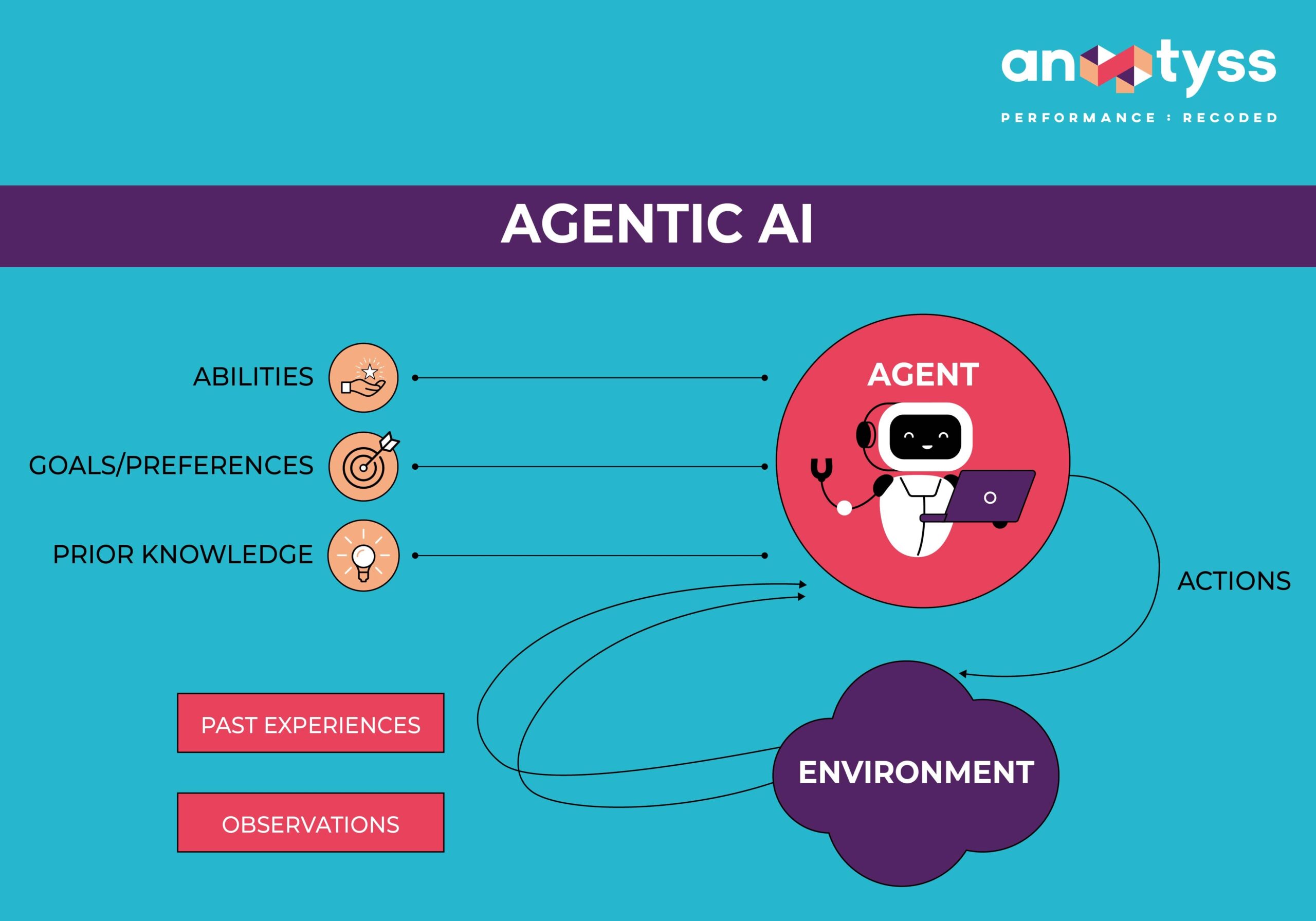
Agentic AI refers to systems that operate with a degree of autonomy. They use advanced machine learning (ML), natural language processing (NLP), and reinforcement learning to make context-aware decisions without human intervention. They can also do the following:

Agentic AI in banking and financial services

Unlike traditional rule-based AI which relies on predetermined rules or supervised machine learning models, Agentic AI acts as a “proactive” agent. It can sense its environment, make decisions, and act without constant human intervention to solve complex problems in real-time.

For instance, JPMorgan Chase’s AI-powered cash flow management model can cut manual work by almost 90%. In financial risk management, Agentic AI can help human experts identify and mitigate risks before they materialize.

By leveraging the self-learning and adaptive capabilities of Agentic AI, financial institutions can address a broad spectrum of enterprise and financial risks proactively.

How is Agentic AI Helping Banks and Financial Institutions?

The following are some key domains where Agentic AI is making a significant impact.

1. Fraud Detection and Risk Mitigation

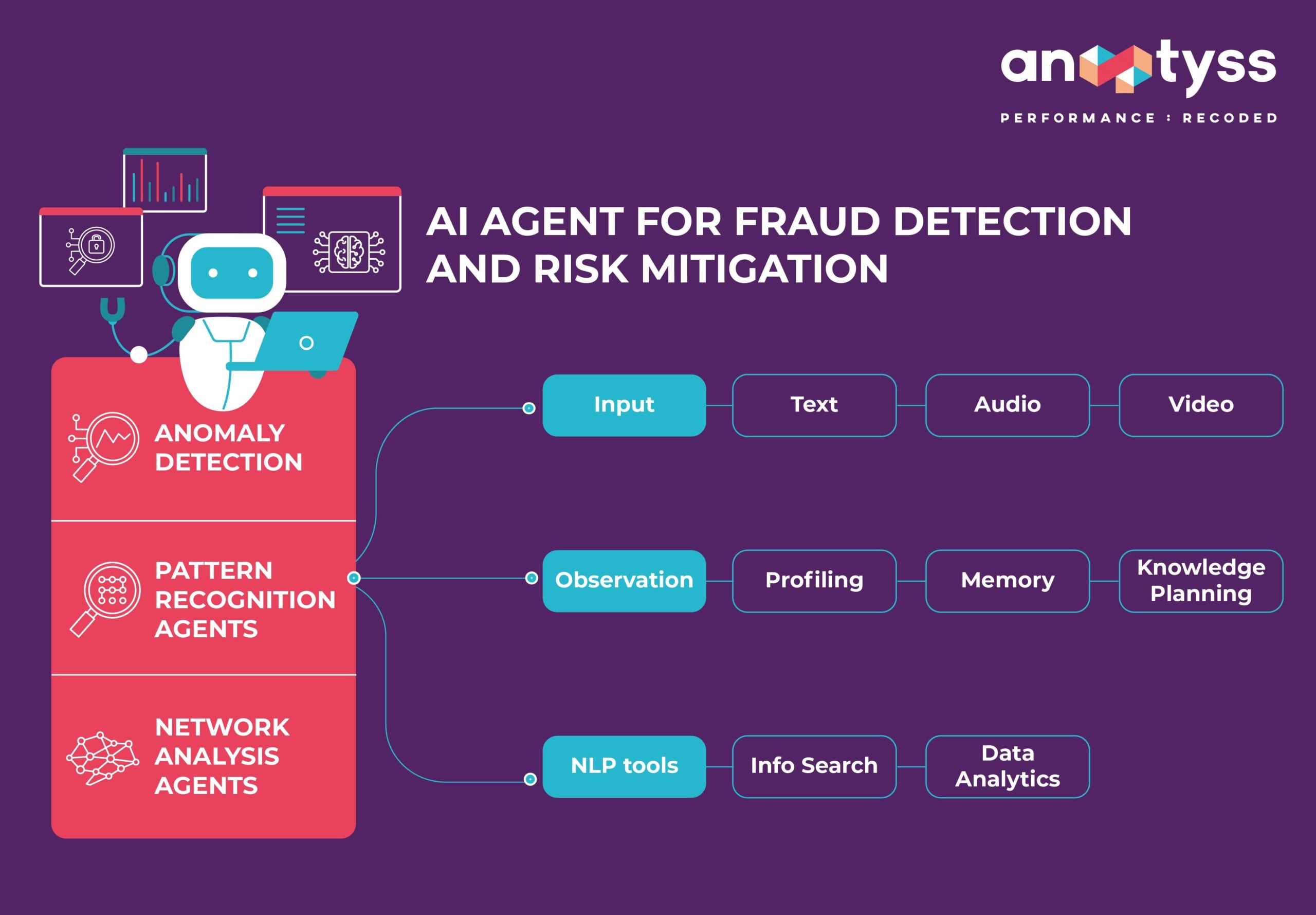
In 2023, the Federal Trade Commission (FTC) reported that the United States lost $10 billion to fraud, a 14% increase from 2022. Agentic AI can help banks combat fraud risks by:

AI Agent for Fraud Detection and Risk Mitigation

2. Customer Service – Not Just Chatbot

With Agentic AI, banks and financial institutions can transform their customer service leaving behind the era of generic, robotic responses. For instance, Erica (Bank of America) and Eno (Capital One) are some examples of advanced AI agents that have redefined customer interactions through personalized, intelligent, and proactive support.

It is estimated that between 75% and 90% of interactions will soon be handled using agentic AI chatbots, freeing the human staff to tackle more complex issues.

3. Credit Inclusivity

Traditional credit scoring approaches might exclude borrower segments such as gig workers, immigrants, and young adults who lack a credit history. Agentic AI can help flip the script in the following ways:

Through advanced LPA capabilities, Freddie Mac comprehensively assesses a gig worker’s financial stability, expanding homeownership opportunities for individuals who might have been overlooked by conventional underwriting methods.

4. Compliance Risk Management

Regulatory compliance costs banks over US$270 billion annually, making it one of the biggest operational overheads. Agentic AI can streamline compliance processes by:

Challenges in Implementing Agentic AI

Here are some of the major challenges banks and financial institutions might run into while implementing or deploying AI agents.

1. Data Privacy and Security

Ensuring that AI systems comply with data protection regulations, such as CCPA and GDPR, is critical. Banks and financial institutions handle a vast amount of sensitive customer data and transaction data that needs to be managed with utmost care to prevent breaches and misuse. A single data breach can lead to severe repercussions, ranging from regulatory penalties and reputational damage to litigation and market loss.

2. Transparency and Explainability

Agentic AI systems often function as “black boxes,” making it difficult for stakeholders to understand their decision-making processes. This lack of explainability and transparency can hinder regulatory approval and lead to a loss of trust among stakeholders. For instance, a bank using AI for credit scoring may face scrutiny when applicants are denied without clear explanations. This could also lead to regulatory intervention.

3. Ethical Considerations

AI-driven risk management systems must avoid biases in decision-making, which could affect specific customer groups. It is important to ensure fairness and ethical use of AI, which is a growing concern among banks and regulators. To overcome this, banks need to continuously monitor and audit their AI models to prevent biased outcomes. However, this process can be time-consuming, resource-intensive, and require technical expertise.

Conclusion

The rise of Agentic AI marks a turning point in the financial industry’s approach to risk management. By transitioning from reactive to proactive strategies, financial institutions can navigate an increasingly volatile landscape with greater agility, precision, and confidence. While challenges like data security, transparency, bias mitigation, and ethical considerations remain, the benefits of adopting Agentic AI far outweigh the risks. Anaptyss can help your institution overcome these hurdles and unlock the full potential of Agentic AI. From strategy to deployment and ongoing optimization, we provide the expertise and tools to drive measurable results.

DKO™
Life@Anaptyss
Careers